Explore Acoustic and Electric Guitars
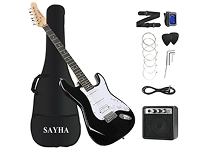
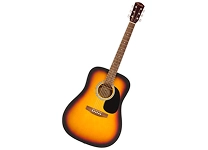
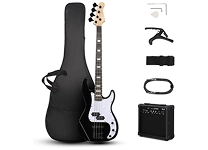
Guitars suit a wide range of musical styles, skill levels, and playing environments. Acoustic guitars produce sound through a hollow body, with steel-string models offering bright projection for pop, folk, and rock, while nylon-string classical guitars have softer strings suited to fingerstyle and traditional repertoire. Electric guitars use pickups and require an amplifier or audio interface to shape and project their sound; solid-body designs are common for rock, blues, and many other genres. Semi-hollow and hollow-body electrics offer different resonance and feel. Electro-acoustic guitars combine an acoustic body with built-in electronics for amplified performance. Bass guitars occupy a related category, with fewer, thicker strings and a lower register. Comparing these types helps narrow a search to the sound, volume, and setup that fit your needs.
- Acoustic, electric, classical, and electro-acoustic options
- Body style influences tone and playing feel
- Match guitar type to music and performance setting
Compare Guitar Body Styles, Strings, and Construction
A guitar's body shape, scale length, and construction affect comfort as well as tone. Dreadnought acoustic bodies typically provide a strong, full sound, while concert and auditorium shapes may feel easier to hold and balance. Electric body styles vary in weight, contour, and access to higher frets. Common acoustic top woods include spruce and cedar; back and sides may use mahogany, rosewood, or other tonewoods, each contributing to an instrument's character. Laminated construction can be a practical choice, while solid-wood designs are often considered for their tonal response. Steel strings feel and sound different from nylon strings, so use only the string type intended for the instrument. When browsing Ubuy for international guitar options, compare body measurements, materials, and product specifications rather than relying on appearance alone.
- Check body shape, scale length, and instrument weight
- Compare solid and laminated wood construction
- Choose the string type specified for the guitar
Understand Pickups, Electronics, and Hardware
On electric guitars, pickup design is a central part of the signal chain. Single-coil pickups are often associated with clear, articulate tones, while humbuckers use paired coils and are commonly chosen for a fuller sound. Many instruments combine pickup types or include a selector switch, volume and tone controls, and a tremolo or fixed bridge. Acoustic-electric models may feature an undersaddle pickup, onboard preamp, tuner, or equalizer for connecting to amplification. Hardware details also matter: tuning machines affect tuning adjustments, the nut and bridge support string contact, and a stable neck joint contributes to dependable setup. Check the number of controls, output connection, bridge style, and whether a case or cable is included. These details help you compare guitars for practice, recording, rehearsals, or live performance.
- Compare pickup configurations and control layouts
- Look for onboard electronics on acoustic-electric models
- Review bridge, tuners, and included connections
Choose Guitar Accessories and Essential Equipment
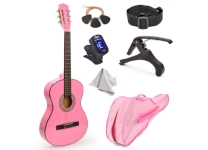
Accessories can make a guitar easier to play, transport, and maintain. Picks differ in thickness and material, affecting grip and attack; straps support standing play, while a properly sized stand keeps an instrument accessible between sessions. A tuner, spare strings, string winder, and wire cutters are useful additions for routine setup and restringing. Electric guitar players may also need an amplifier, instrument cable, and effects pedals, while an audio interface can connect a guitar to recording software. Acoustic players can consider a capo, a suitable gig bag, and a humidifier when conditions call for added care. Verify accessory compatibility, including scale and string gauge, case dimensions, cable connectors, and power requirements. Ubuy provides a way to discover international guitars and related accessories; compare what each listing includes before choosing a bundle or separate items.
- Consider a tuner, strap, picks, and protective case
- Match strings and cases to the guitar's specifications
- Check amplifier, cable, and pedal compatibility
Find a Guitar for Your Playing Style and Skill Level
The best guitar for a player is one that feels comfortable and supports the sounds they want to make. Beginners may value an approachable neck, manageable body size, reliable tuning, and a straightforward setup; an instrument that feels comfortable can make regular practice easier. Fingerstyle players may prioritize string spacing and a responsive acoustic, while players using distortion may look for electric pickups and controls suited to shaping amplified tones. For recording, consider instrument output, pickup options, and how the guitar connects to an interface or amplifier. Established names such as Yamaha, Fender, Gibson, and Ibanez offer instruments across different designs and price tiers, but specifications and fit matter more than a logo. Check fret condition, neck profile, action, and left- or right-handed orientation when comparing products, especially if buying online.
- Prioritize comfort, setup, and handedness
- Match pickup or acoustic response to your style
- Compare specifications across established brands
Select the Right guitars
Before choosing among guitars, set priorities for sound, comfort, and intended use. Decide whether you need an acoustic, classical, electric, or electro-acoustic model, then compare scale length, body dimensions, string type, and neck profile. Review construction materials, pickup configuration, onboard controls, and included accessories against how you plan to practice, perform, or record. If possible, consider how the instrument will feel while seated and standing, and whether its weight and reach are comfortable. For online shopping, read product specifications carefully and confirm that any case, amplifier, cable, or other equipment suits the instrument. Ubuy can help shoppers discover international guitar products and compare options in one place. A thoughtful shortlist based on playability and practical requirements makes it easier to select an instrument you can enjoy using and maintain over time.
- Start with guitar type and intended use
- Verify dimensions, specifications, and included items
- Choose for lasting comfort and playability